What do you keep when the thing that made you starts to close?
I've been asking myself that all week. The BBC has to find £500 million in savings. This week that target turned into names. BBC Three and the BBC Scotland channel are coming off air, and their programmes are moving to iPlayer. A few days earlier, DIY SOS was "rested" for next year to save money.
To me, those aren't just headlines.
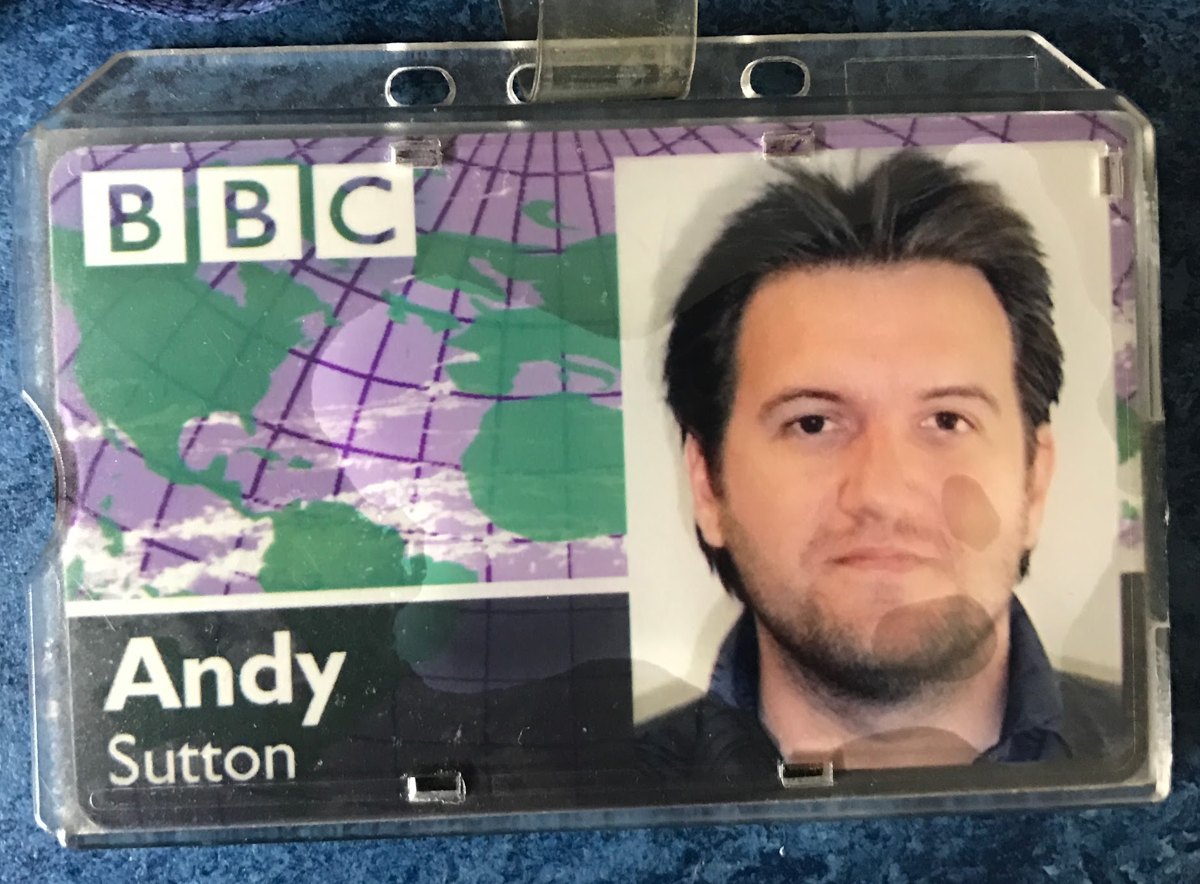
DIY SOS is the show that brought me to Bristol. It set me on the path to the work I cut now. I spent six months working out of the BBC Scotland building at Pacific Quay, the glass box on the Clyde. And BBC Three is where Gavin & Stacey started: a small channel, given room to try things, made something the whole country ended up quoting.
Change. Closure. Jobs gone from the rooms where programmes get made. I've felt it. If you work in TV, you have too.
The model has already moved
The BBC's new Director General, Matt Brittin, came from Google. Google owns YouTube. I'm not reading anything sinister into that. I'm reading it as a signal.
More content is being made than ever. The business model isn't shifting. It has shifted. The audience went where it wanted to go, and the money followed.
That's hard to look at when your income was tied to the old system. I'm trying to look at it clearly anyway. No fear, no anger. Just: what's true now?
What doesn't move
Here's what I keep coming back to.
Every screen I've cut for has changed. Tape to timeline. Channel to iPlayer. TV to phone. What made a sequence work never changed.
An audience wants its story served a certain way. They want to know who to care about, what's at stake, and when to lean in. Knowing how to give them that isn't a broadcast skill. It's a human one, and it travels.
So what do you keep?
You keep what it taught you. For me, that's story.
The screen changed. The story didn't.
To everyone in TV having a hard year: whatever you carry into what's next is still yours.
Keep going
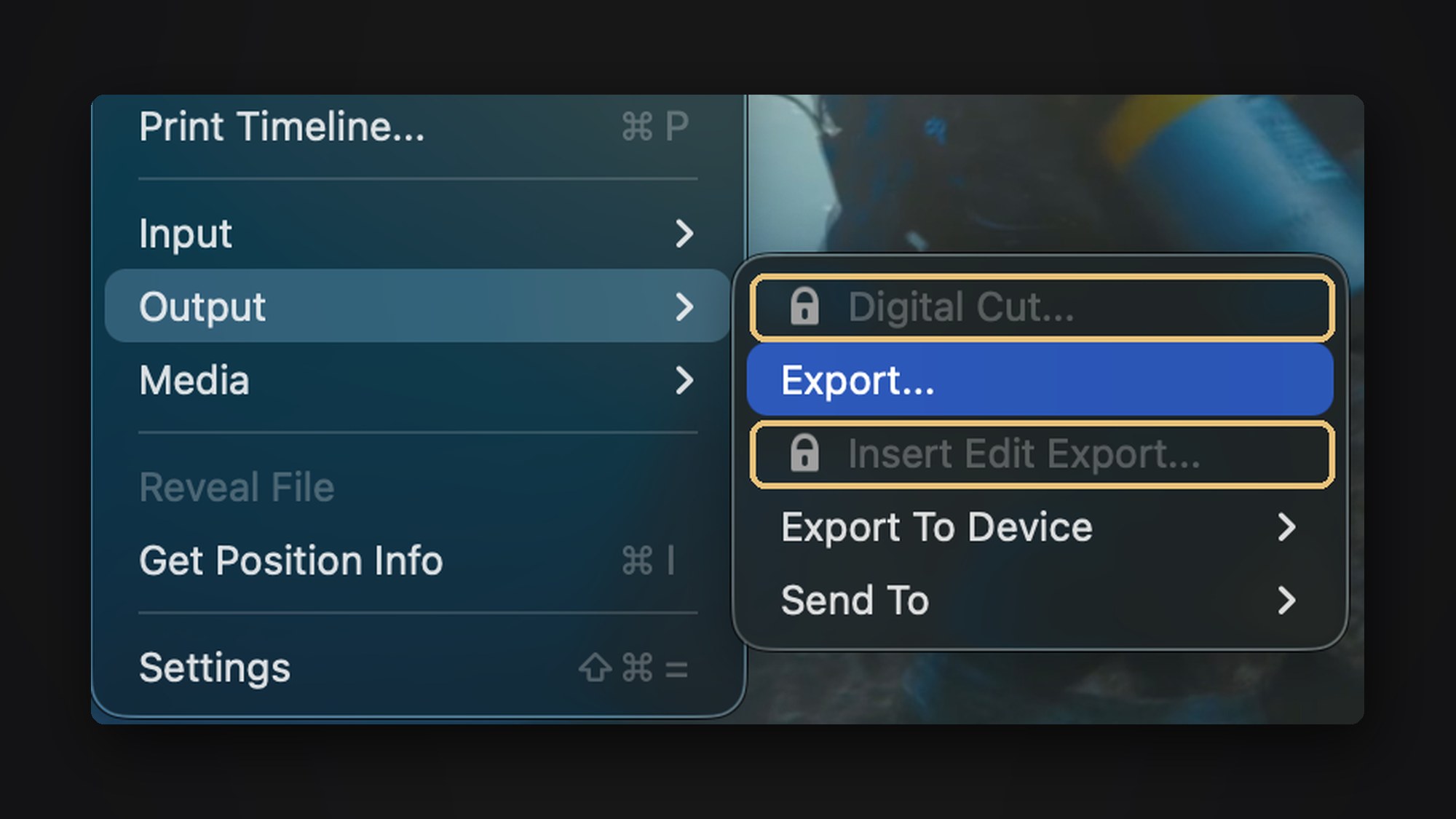
You can learn Avid for free now?
Avid First, the free Media Composer, has been around for years. Until now, it wasn't one you could learn the job on. I spent an evening testing the new version to find out what's changed.
Six conversations in four weeks
The people who make television know things you can't find in a manual. I gave myself a month to ask them. Here's what it took, and where it's taking me.