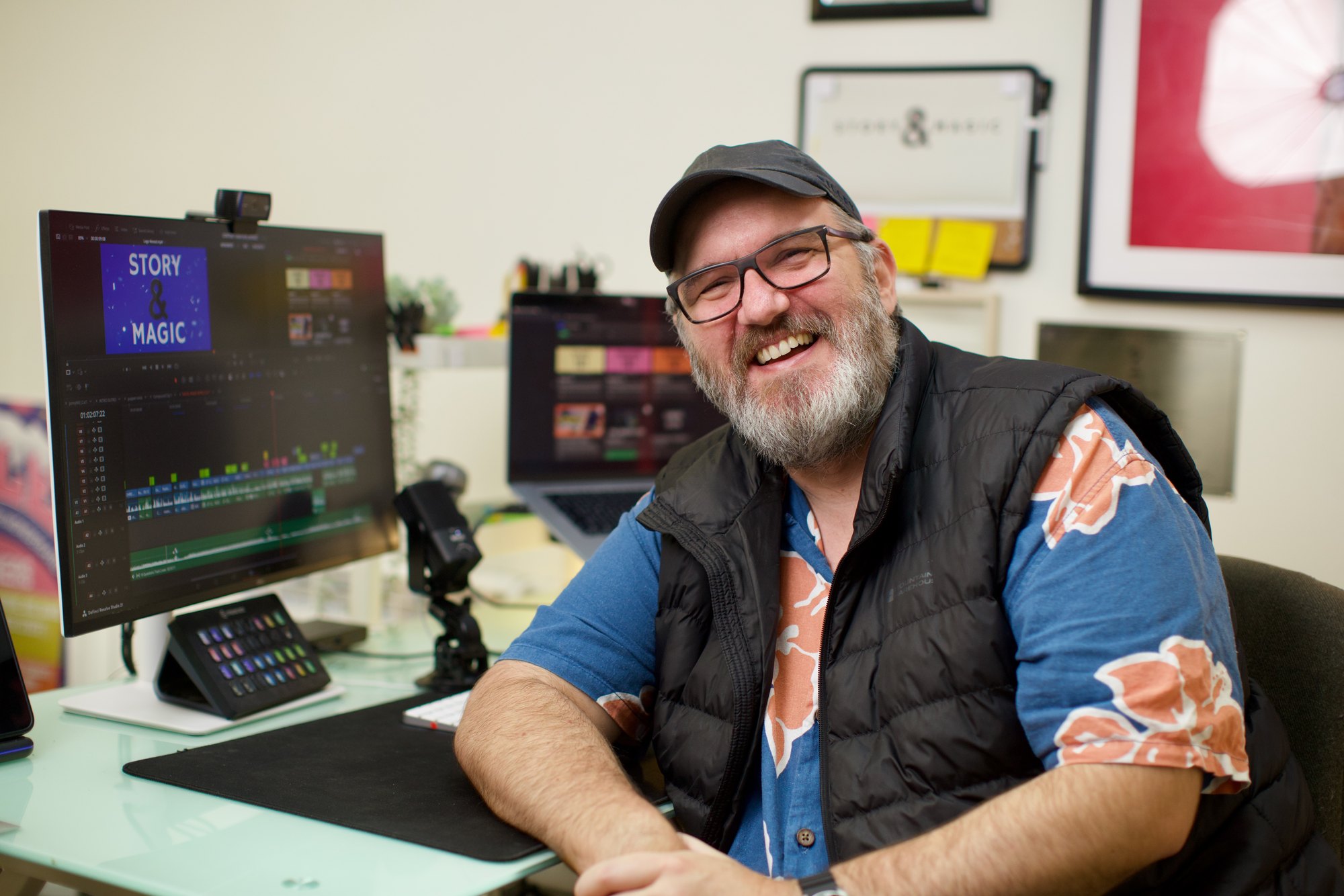
How do you learn a craft that took someone else thirty years?
You can't fast-forward it. I know that better than most. It took me a long time, and a lot of notes, to find my own way of telling a story. But there's a shortcut I keep coming back to: ask the people who've already walked the road.
So I did. Six times in four weeks.
The ask
Some of them I've sat beside in an edit suite for years. Others I'd only known as a name on a credit list or a profile on LinkedIn, people whose work I admired and wanted to understand. I wrote to them anyway.
They said yes. An executive producer behind DIY SOS. A series producer from Blue Planet III. A showrunner. A composer. A sound recordist who has worked on Ocean with David Attenborough. A pair of puppeteers whose characters sell for Prada and Nike. Between them, decades of television.

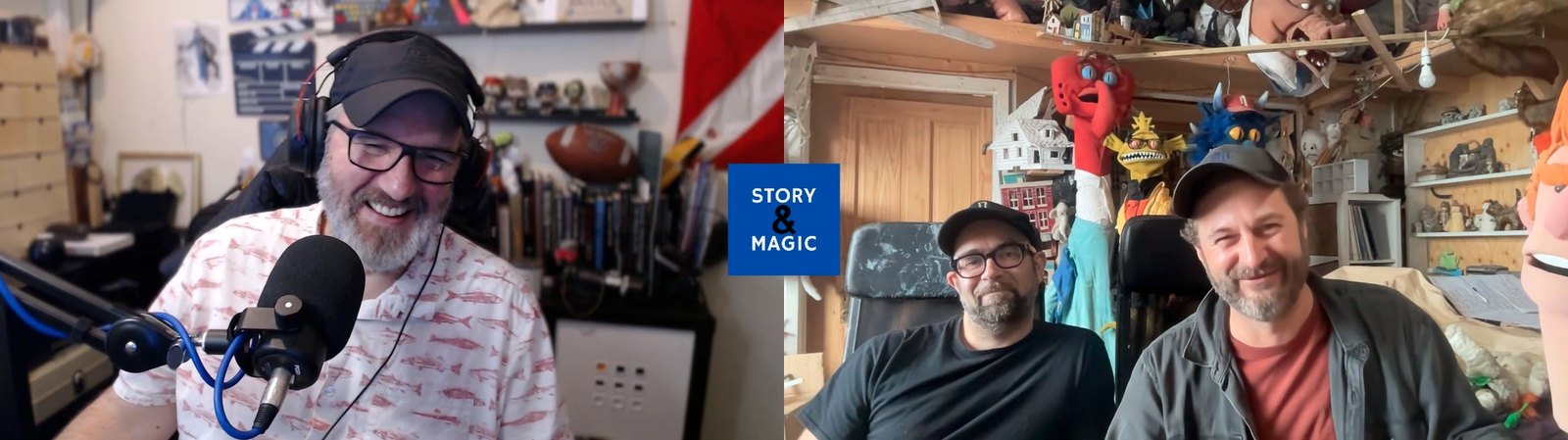
A call, not a crew
I record every conversation remotely, like a video call. No crew, no travel, no day lost. An hour, wherever they happen to be.
That was a deliberate choice. These are busy people, and the smaller the dent in their diary, the easier the yes. It's worked. It also keeps me quick. I can follow my own curiosity, or steer toward what the courses in the Studio need next.
Three days in Resolve
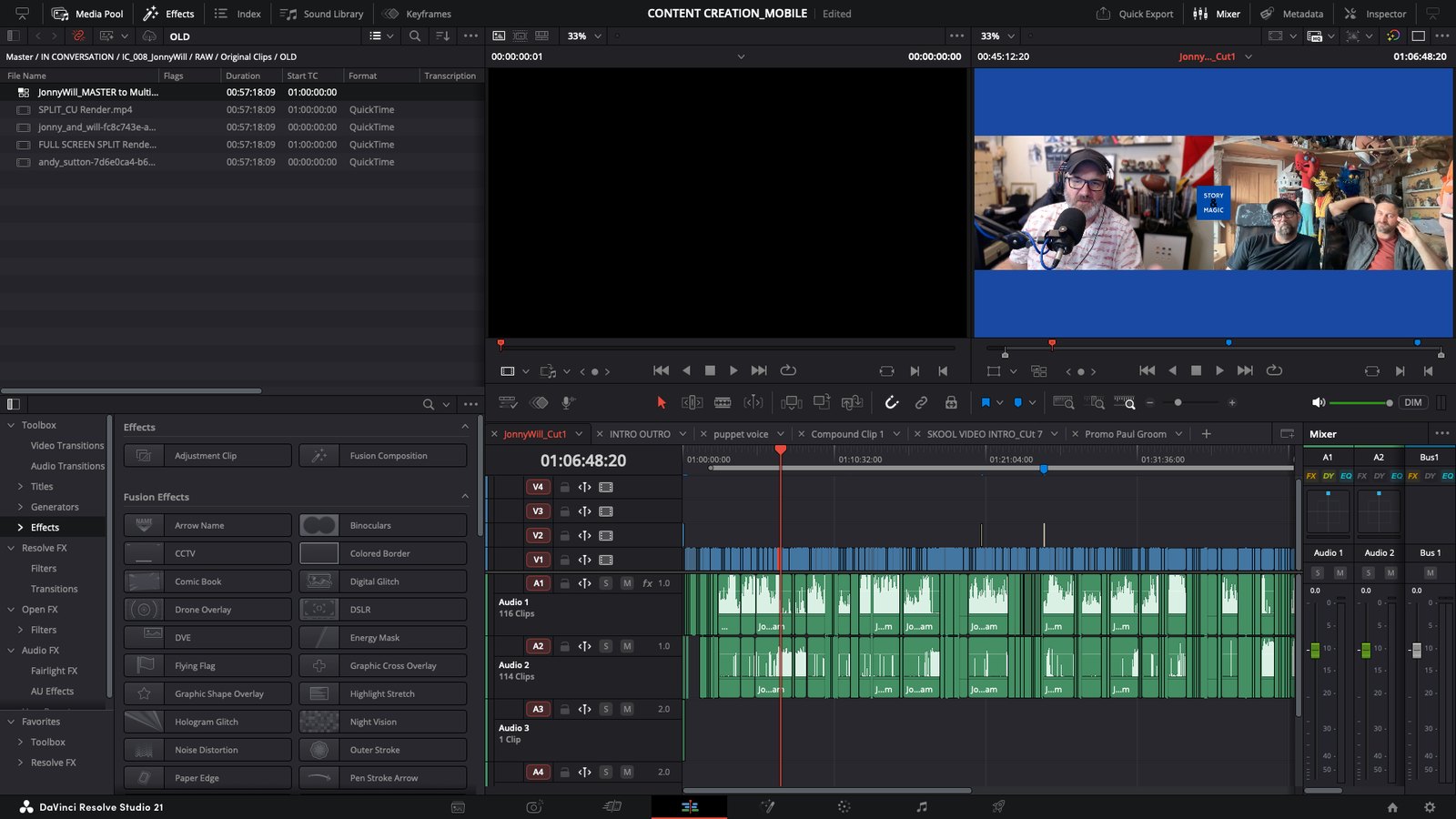
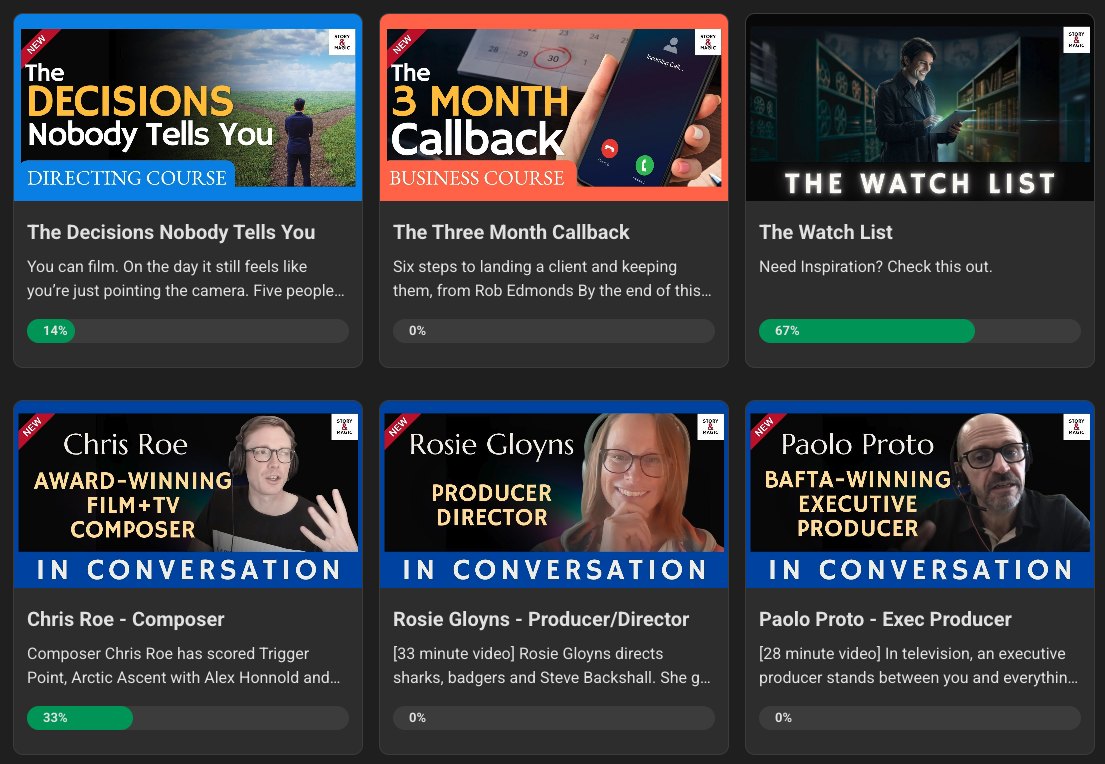
Every full conversation goes into the In Conversation strand of the Studio, with show notes and links to the shows and people they mention along the way. I cut each one in Resolve. Edit, notes and packaging take me about three days.
The transcripts
The real value shows up later, reading back.
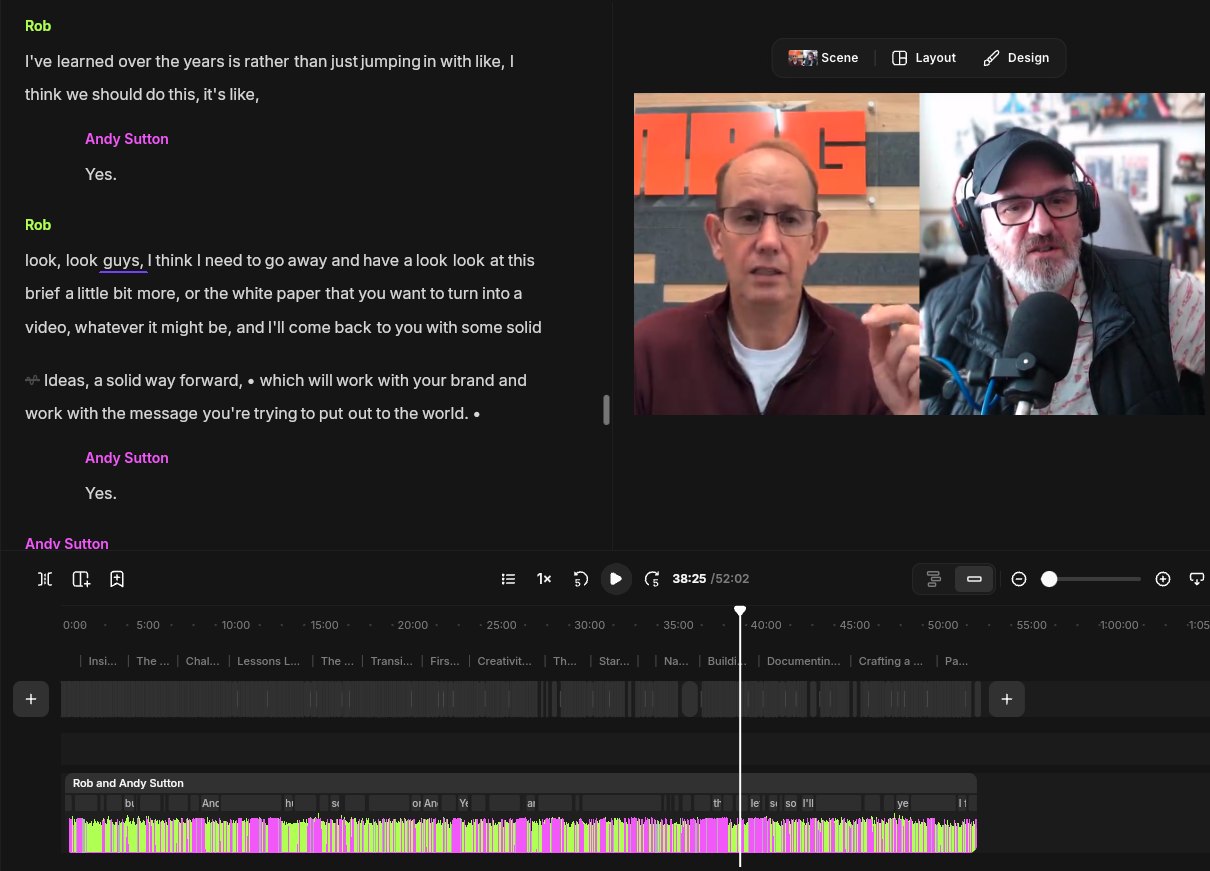
Put six transcripts side by side and patterns appear. Five people describe the same lesson in five different ways, and that becomes a course. Our directing course came straight out of what the guests told me.
Sometimes the transcripts lead somewhere I didn't plan. One conversation turned into an idea for a course on Avid, for producers who have never sat down at one. That's the joy of it. You go in looking for one thing and come out with three.
The engine
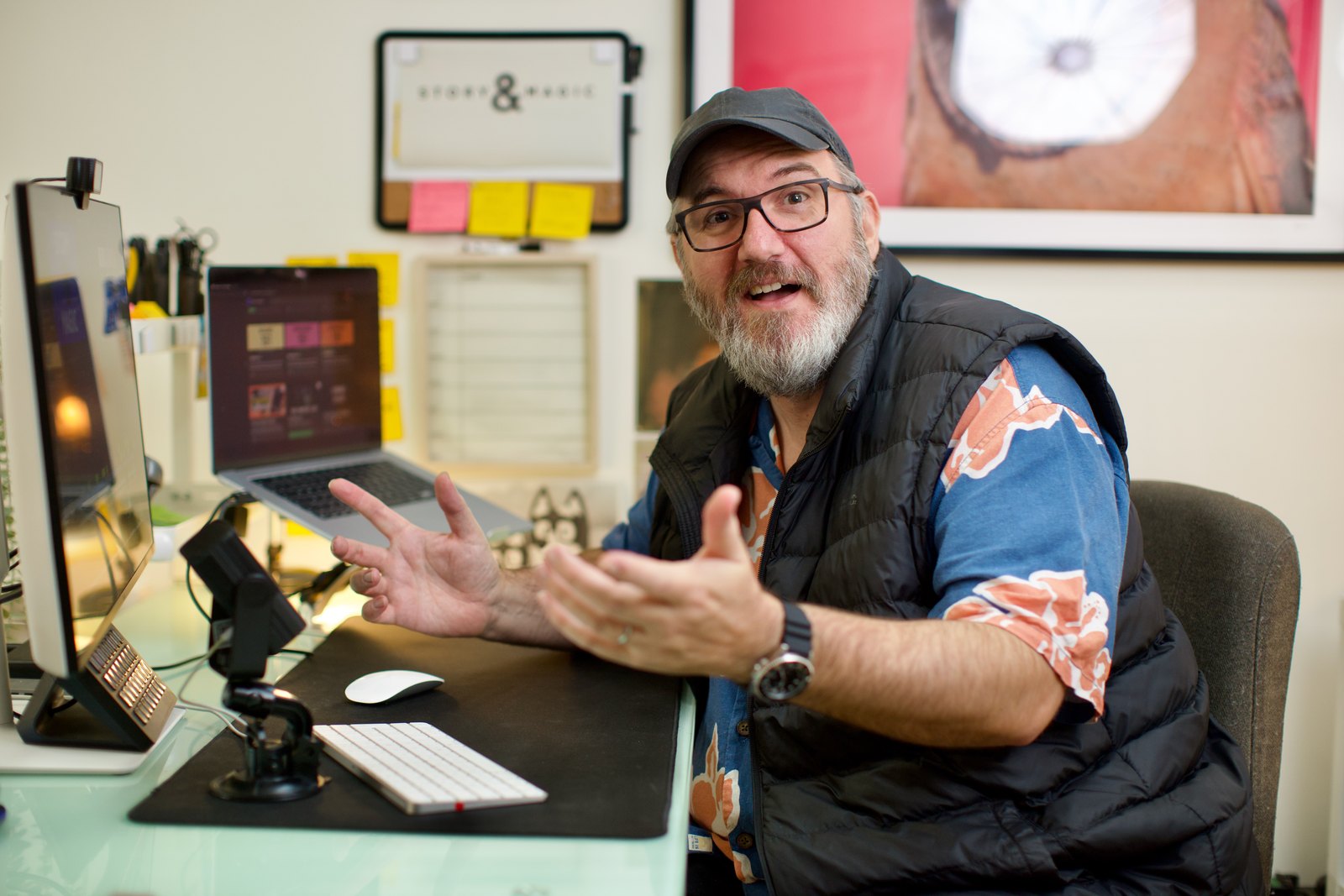
Under all of it sits the same thing that has driven me for twenty-eight years, telling stories for clients like Disney, Nat Geo and the BBC. A fascination with how stories work, and with the people who make them work.
So, how do you learn it?
Not in a month. One conversation at a time, from people generous enough to show you the steps they took. Whatever your reason for telling stories, even if it looks nothing like mine, that's open to you too.
Keep learning. Keep creating. Keep telling stories, however you can.
Watch the conversations at Story & Magic
Photos of Andy: Paul Groom.
Keep going
Do I still have to watch everything?
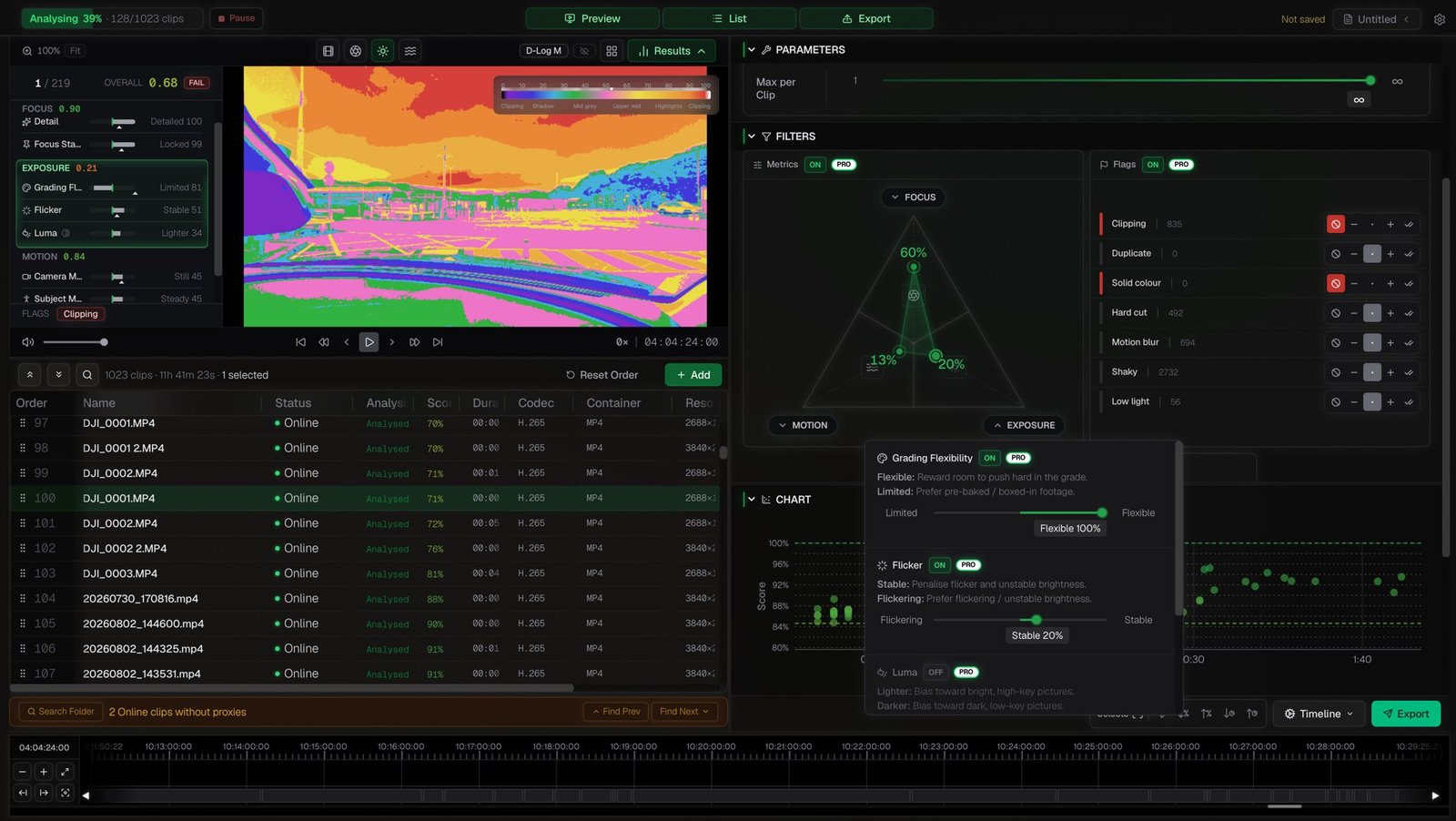
A new app called Cutdown sorts your rushes into selects before you open your edit. No AI, nothing uploaded, and the free version does the whole job. I ran nearly 12 hours of my own footage through it to see what it gets right, and what it can't.
The room I keep building
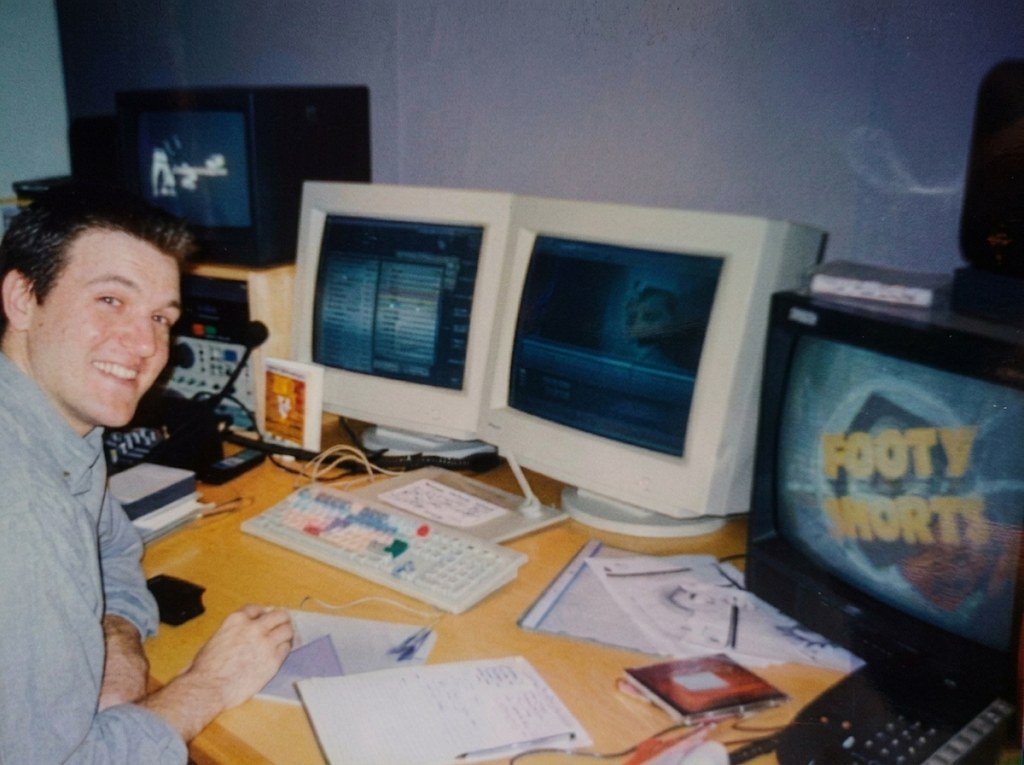
Every maker has a reason they only half understand. I found mine by writing down how I built two websites. It goes back to a dark room in 1998, and a question I didn't ask on Jura.