It Was Never to get an Audience
Half the kids in the country want to be a YouTuber. I was one too — before the job had a name. So I went back to find out why.
Andy Sutton
6/6/2026
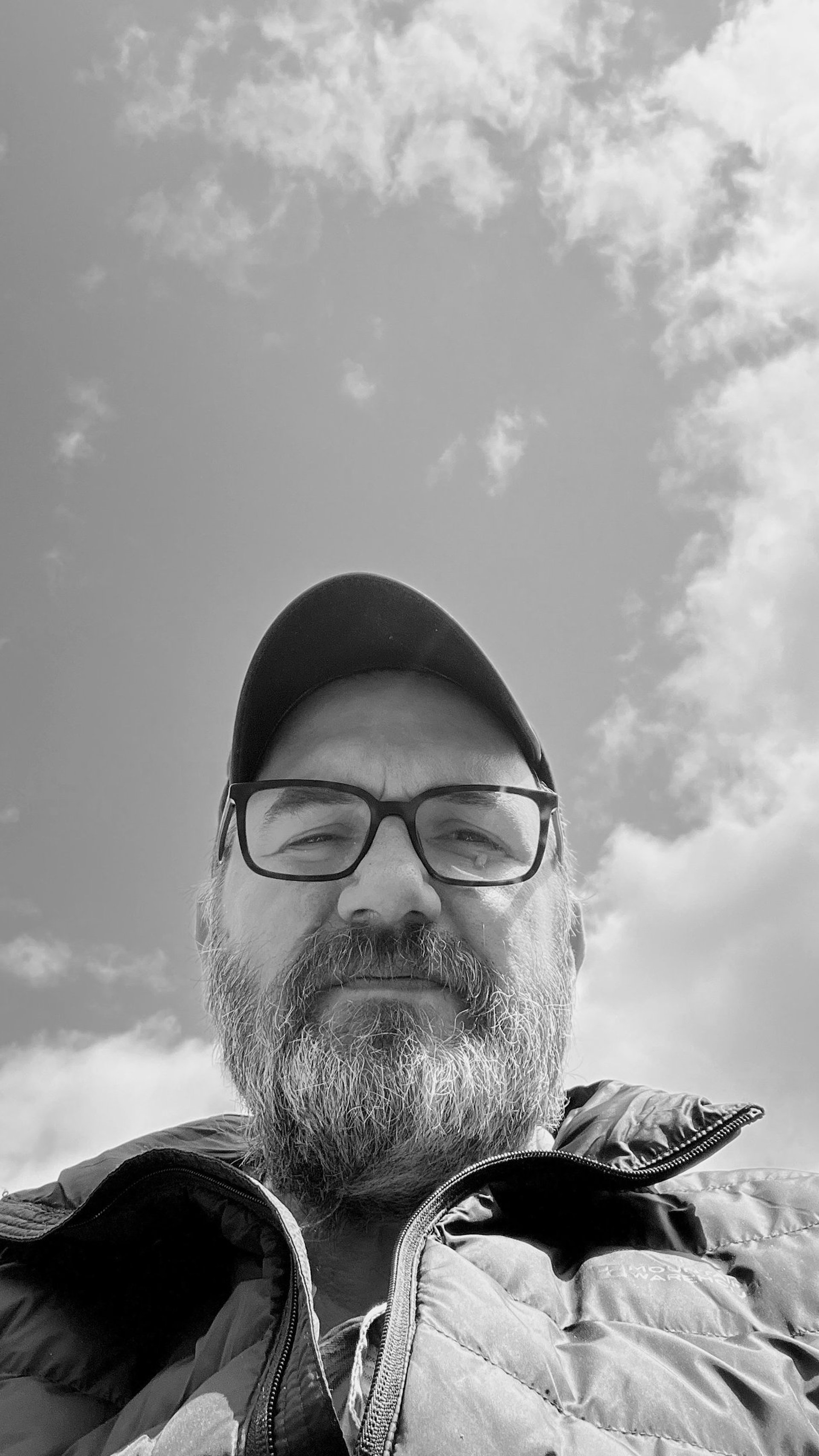
I've hit fifty. The big Five Zero. I don't feel fifty!
That number makes you stop and turn round to look at the road behind you. And when I turned round, I noticed two things at once. The world of television, the thing I've done professionally for 28 years, had quietly changed shape underneath me. And half the kids in the country now say that when they grow up, they want to be a YouTuber. Half. One in two.
My first instinct was to be the man at the barbecue. "In my day..." And then I caught myself, because — hang on. That was me. Before YouTube existed. Before there was an audience to chase or a single penny in it. I wanted exactly this, just with worse equipment and no word for it yet. So before I roll my eyes at anyone, I should probably work out why I wanted it. Because I'm not sure I ever actually knew.
This is me going back to find out - back SO far YouTube didn't exist. This was 1996/97.
It started with a making-of.
I was watching the making of The Untouchables, and somewhere in it they pulled apart the scene on the station steps — the pram, the slow motion, the shootout — and explained that De Palma hadn't invented it. He'd stolen it. Sixty years earlier a Russian director had sent a pram bouncing down the Odessa Steps in a film called Battleship Potemkin, and De Palma had reached back across all those decades and taken it on purpose.
That broke something open in me. Not the theft itself — why he stole it. He wasn't copying Eisenstein to show off that he'd done his homework. He took the shape of that scene because it let him say something of his own, land an emotion he couldn't have built from scratch. The stealing had a reason. You learn the move, you take the move, and then you point it at something that's yours.
Learn. Steal. Communicate. I didn't have those words at the time. But that was the moment I understood there was a craft under the magic — and that the craft was learnable.
So I became a making-of addict. I'd set the VHS to timer-record anything that showed the working — Movie Magic, that sort of thing. And one of those recordings overran, kept rolling past the end of the programme, and caught the first fifteen minutes of the show that came on after it.
It was called Freescreen. My local ITV station ran it as a public-access slot — they'd take videos sent in by the public and run them with notices crawling along the bottom of the screen. There is a jumble sale at the Civic Centre on Thursday. That sort of thing. The most unglamorous broadcasting on Earth.
I thought it was the most exciting thing I had ever seen. They would put your video on television.
So the next weekend, my dad and I went to meet Alan.
Alan was a fisherman. He also sold security systems, which is neither here nor there, but it's the kind of detail I can't leave out. I filmed him on my VHS camcorder tying a fly, then we followed him down to a local stream, and — more by luck than planning — he caught one. A real fish, on camera. The ending handed to me for nothing.
I spent the next two days editing it. I was obsessed with Jurassic Park at the time — still am — so I laid the main theme underneath, and I worked the cut until the big swell of it landed on the exact frame Alan lifted the fish from the water.
That was me doing the only thing I'd learned so far. Steal the move — score the picture, time the music to the moment — and point it at something of mine. A man and a fish and two seconds of John Williams. It wasn't much. But it was communicating something — triumph, the perfect ending, the feeling I'd had watching everyone else's films — and I'd built it myself.
My dad was there for that first one. Drove us down, held the bag, watched me point the camera. I didn't think anything of it then. It only matters now, looking back, that he was standing just out of frame at the very start of all of it.
Freescreen showed the Alan film - which I called "Day dream". So I shot another. Then they accepted and showed the next one. Over the following year they aired more than thirty. I made 30 short films. They were on TV.
They all went out at five in the morning.
Who watches television at five in the morning? The idea that a person could be awake at that hour was genuinely alien to me — I pictured my films playing to an empty country. There was no audience in any sense you'd recognise now. No subscribers, no comments, no numbers ticking up. And I had never been happier, or more obsessed, in my life.
I kept making them. Varied the subjects, changed the music, tried a different idea every time — learning something on every single two-minute short. Each one was a rep.
And they added up to something I could hold. I took those films to my university interview. I took them to job interviews I didn't get. My films had been on television. That felt like a start. It was one — though it took years to turn into the career I've actually had, and it became something I never originally had in mind. But that's another story.
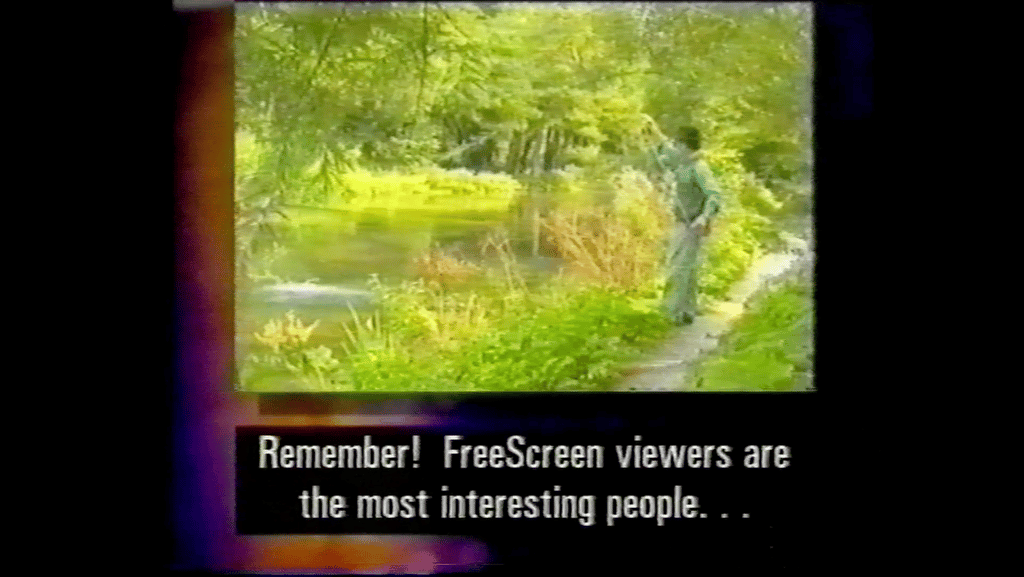
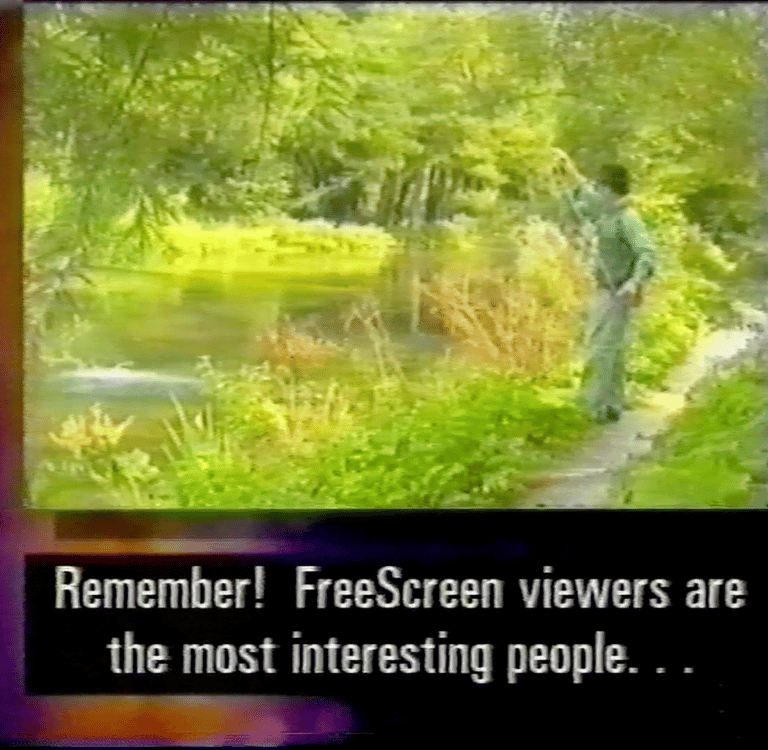
"Day Dream" - Alan catching a fish in my first film to go on TV! - 1997
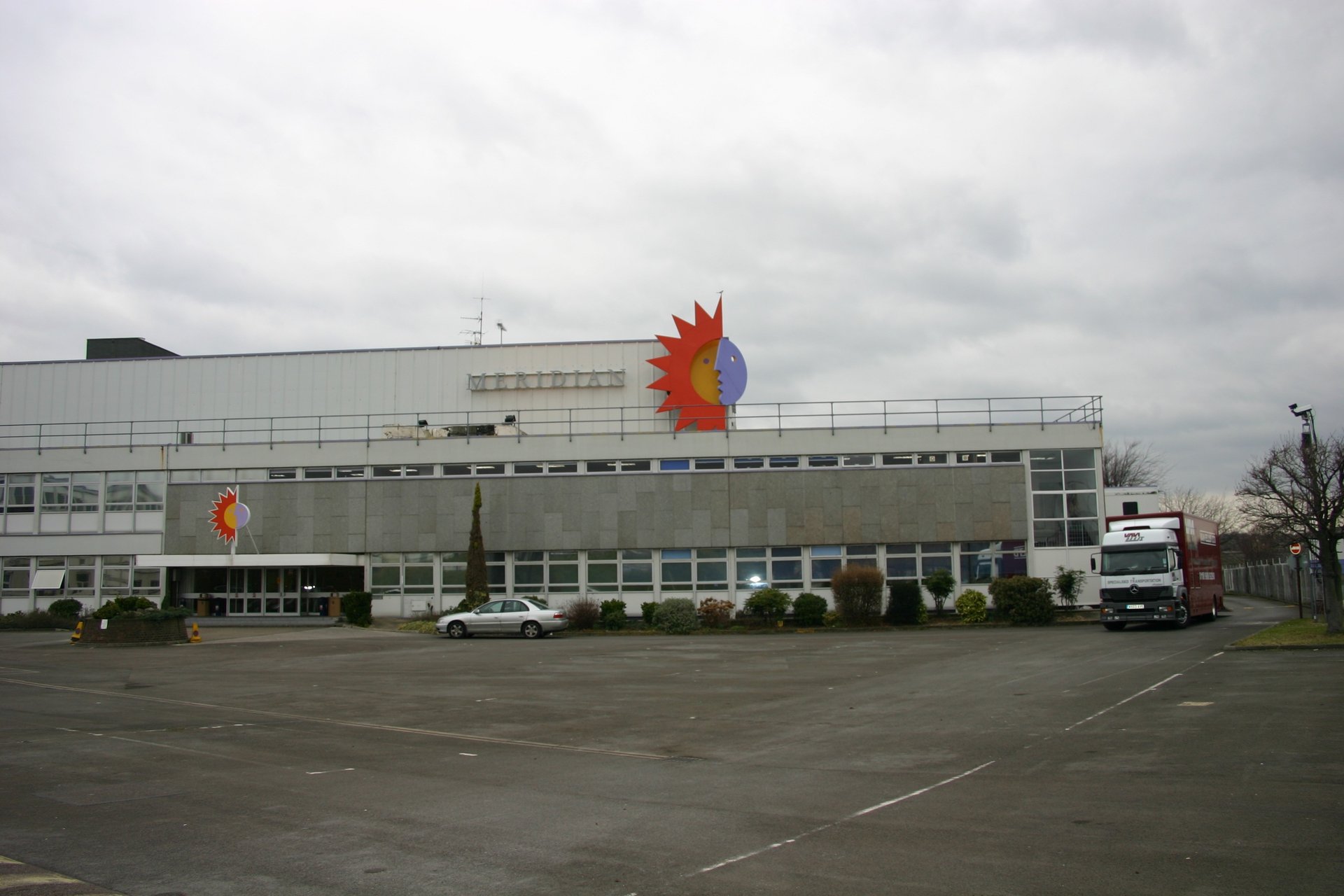
Here's the part I have to be honest about, because it complicates this clean little version: Freescreen paid. A hundred pounds a film. And I wanted it.
Not for the money. For the next thing. A hundred pounds was tapes, was the jump from VHS to S-VHS — not a huge leap, but a step closer to the broadcast picture I was studying. The kit got me a rung up the ladder toward the films I was taking apart.
And I want to be clear this isn't the same as the excuse people reach for now — I need a Red, I need the new DSLR. The gap I was looking at was on a completely different scale. De Palma shot The Untouchables on 35mm, and 35mm cost real money per second of film. I couldn't compete with that. I was never going to. But I could learn the same lessons on video for almost nothing — the framing, the cutting, the timing, the why-he-stole-it. And Freescreen liking my work, and paying for it, was proof there was a job in this somewhere. Even if I couldn't shoot on film yet. The lessons were free. Only the format was expensive.
The strange thing nobody told me is that it all came back through the edit. The more I cut, the better I got at filming — because cutting teaches you what you wish you'd shot. The edit was my film school years before I went to film school.
I did, eventually, go to film school — the Surrey Institute of Art and Design, in Farnham. I lasted a year. They threw me out, partly for not learning French. That is a longer story, and a better one, and it's coming next. No qualification to show for it. The Emmy came later.
So. Why do half the kids in the country want to be a YouTuber?
I think I finally know — and I know it because I was one, before the job had a name.
They think they want the audience. The views, the subscribers, the thumbnail. I get it, because I assumed that's what I'd wanted too. But I had none of it — none — and I was as lit up as I have ever been, hunched over two Panasonic decks at three in the morning, timing a fish to John Williams for an audience of nobody at five a.m.
It was never the audience. It was the making. The plain, stubborn pull of taking the thing in your head and dragging it out into the world where it can say something — to you first, and then to anyone else who happens to be awake.
And here's the only hard part: the thing standing between most people and that is not a better camera, or a bigger audience, or permission from a gatekeeper. It's permission to start before they're any good.
There are two books I've ever read cover to cover in one go. The first was Jurassic Park — yes, that one; read it, it's extraordinary, and clearly it got into me deeper than I realised. The second was Robert Rodriguez's Rebel Without a Crew — the story of a man who made a feature film for seven thousand dollars because that's what he had, and who let the limitations do the work, and ended up in Hollywood. I read it in one sitting because it told me the thing I already half knew from a fishing stream in Hampshire: you don't wait for the kit, or the budget, or the permission. You make it badly with what you've got, and you keep making it, until one day it isn't so bad.
That's the secret. There isn't another one. It works.
That's what this place is. It comes down to three things.
The Story — because everything begins there, and most things forget it.
The Craft — because I've spent a lifetime learning how stories actually get made, and I'll show you the working, not just the result.
The Quest — because underneath all of it, I'm chasing something I don't fully understand. Something that was standing just out of frame at the very beginning, holding the bag.
I'm not going to explain that last one yet.
But I suspect some of you are chasing something too — the same shape of thing, even if it looks nothing like mine. So that's what I want to know. Not which video you liked. Which of the three you came for.
The Story, the Craft, or the Quest.
It was never the audience. It was always the making.
Now, let's get to work...